What Are Pomades? Types, Uses & Best Pomade Guide
What Are Pomades? Types, Uses & Best Pomade Guide


Your go-to resource for understanding pomades, how they work, and which one to choose — barbershop-tested in Santa Barbara and crafted in California with clean, water-based formulas.
When it comes to men’s hair styling products, pomade is one of the most enduring. Unlike sprays or cheap gels, pomades offer control, flexibility, and the finish needed to move seamlessly between casual and formal looks. At Wolf’s Head, every formula is water-based, paraben-free, and sulfate-free, giving you professional-grade performance without compromise. Whether you want a natural matte look, a textured quiff, or a slick polished style, pomade remains the most versatile tool for men’s hair.
Pomade also adapts well to different environments. In dry weather, it locks in shape without frizz; in humid conditions, it keeps style intact while still allowing movement. This ability to stay consistent across climates is why barbers continue to recommend pomade as a daily go-to product.


The word pomade comes from the French pommade, meaning ointment, which itself traces back to the Latin pomum (fruit, specifically apple). Early pomades in the 18th and 19th centuries were made from mashed apples, animal fats, and herbs — essentially greasy ointments to condition and style hair. By the 19th century, bear fat had become a popular base ingredient. Thankfully, formulations have evolved since then.
In the early 20th century, petroleum jelly, beeswax, and lanolin became common in pomades. Brands like Murray’s, Royal Crown, and Brylcreem helped define the shiny, slicked-back looks of the 1920s through the 1950s. Elvis Presley’s iconic pompadour — held in place with generous scoops of pomade — cemented its place in pop culture.
In the late 20th century, pomades declined as lighter mousses and gels gained popularity. But in recent decades, pomades have made a major comeback, fueled by barbershop culture and the revival of classic hairstyles like pompadours, side parts, and quiffs. Today, modern water-based pomades combine the performance of the originals with the convenience of easy washout.
Pomades aren’t one-size-fits-all. Each type has a different finish, hold, and best-use scenario. Here’s a breakdown of the most common categories:

| Product | Finish | Hold | Best For |
|---|---|---|---|
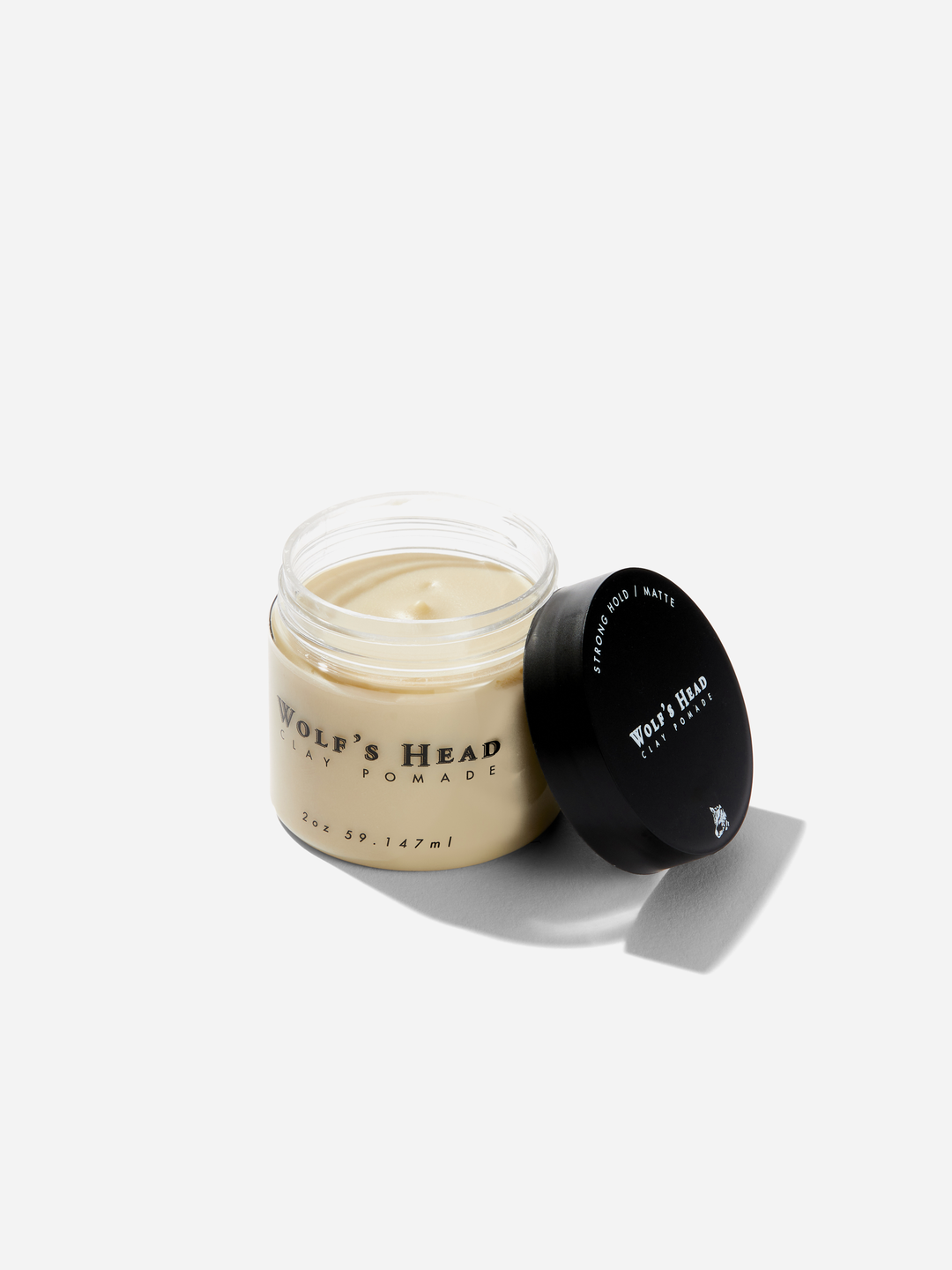
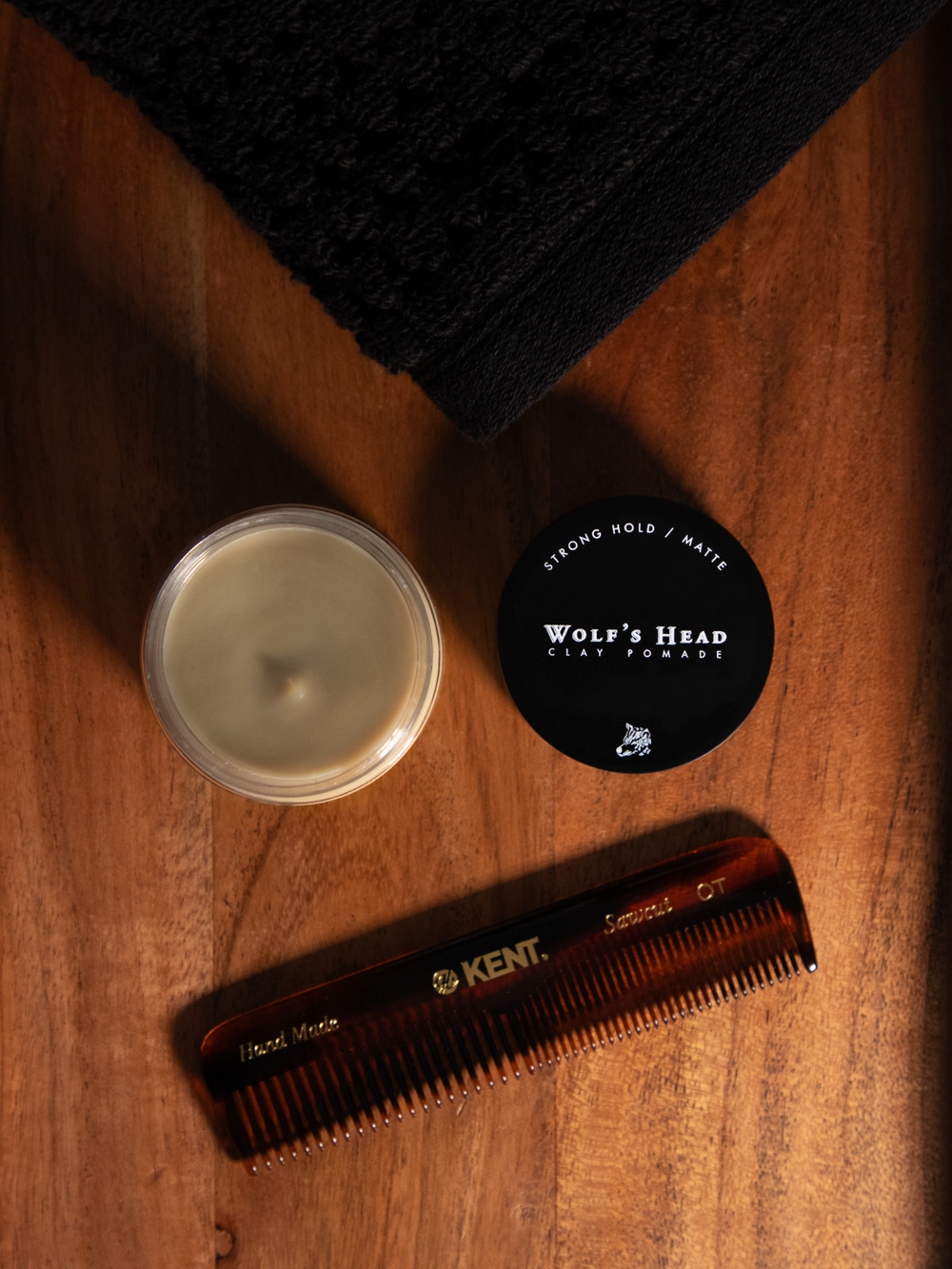
| Clay Pomade | Matte | Strong | Textured crops, quiffs, fine hair |
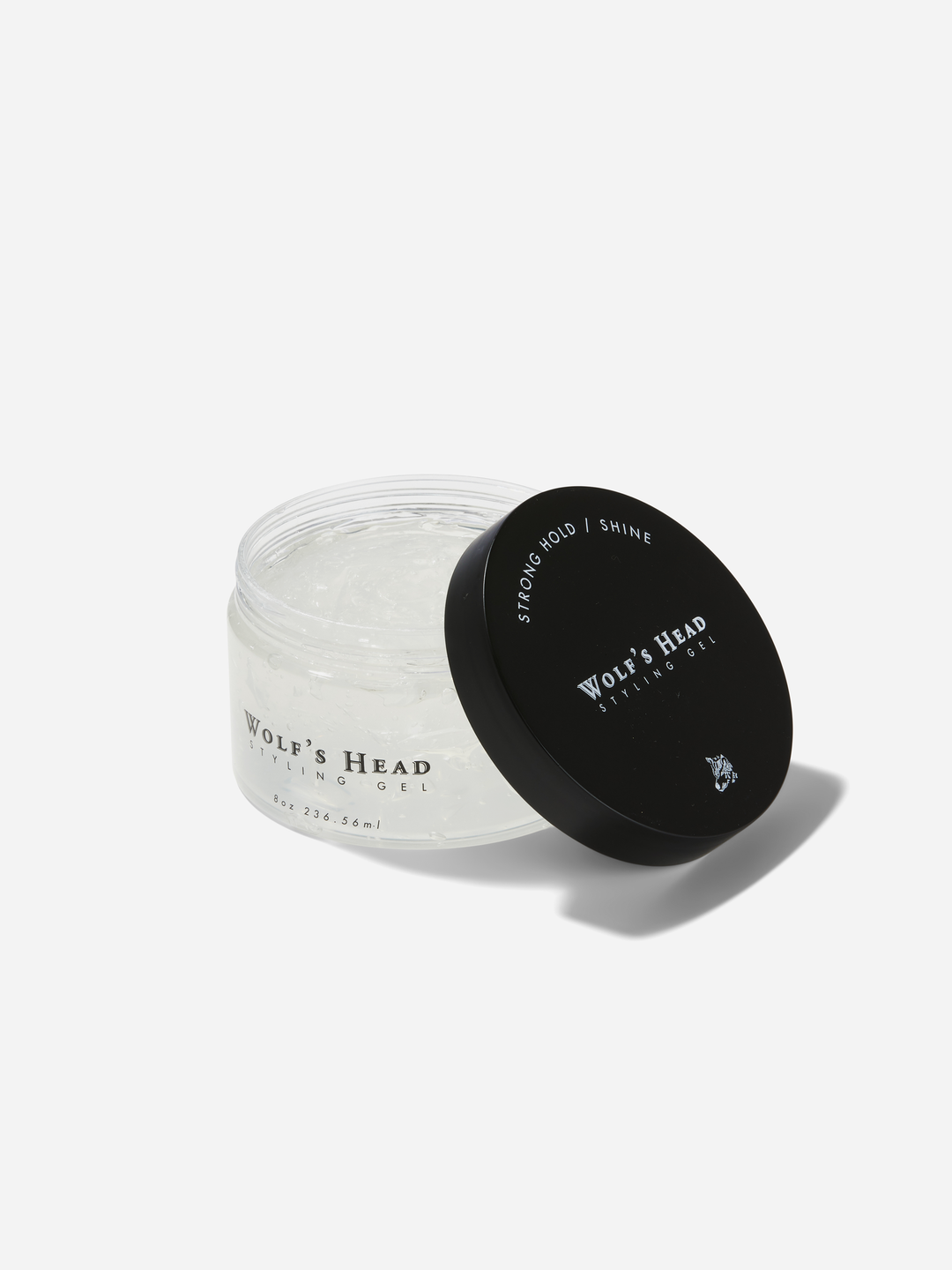
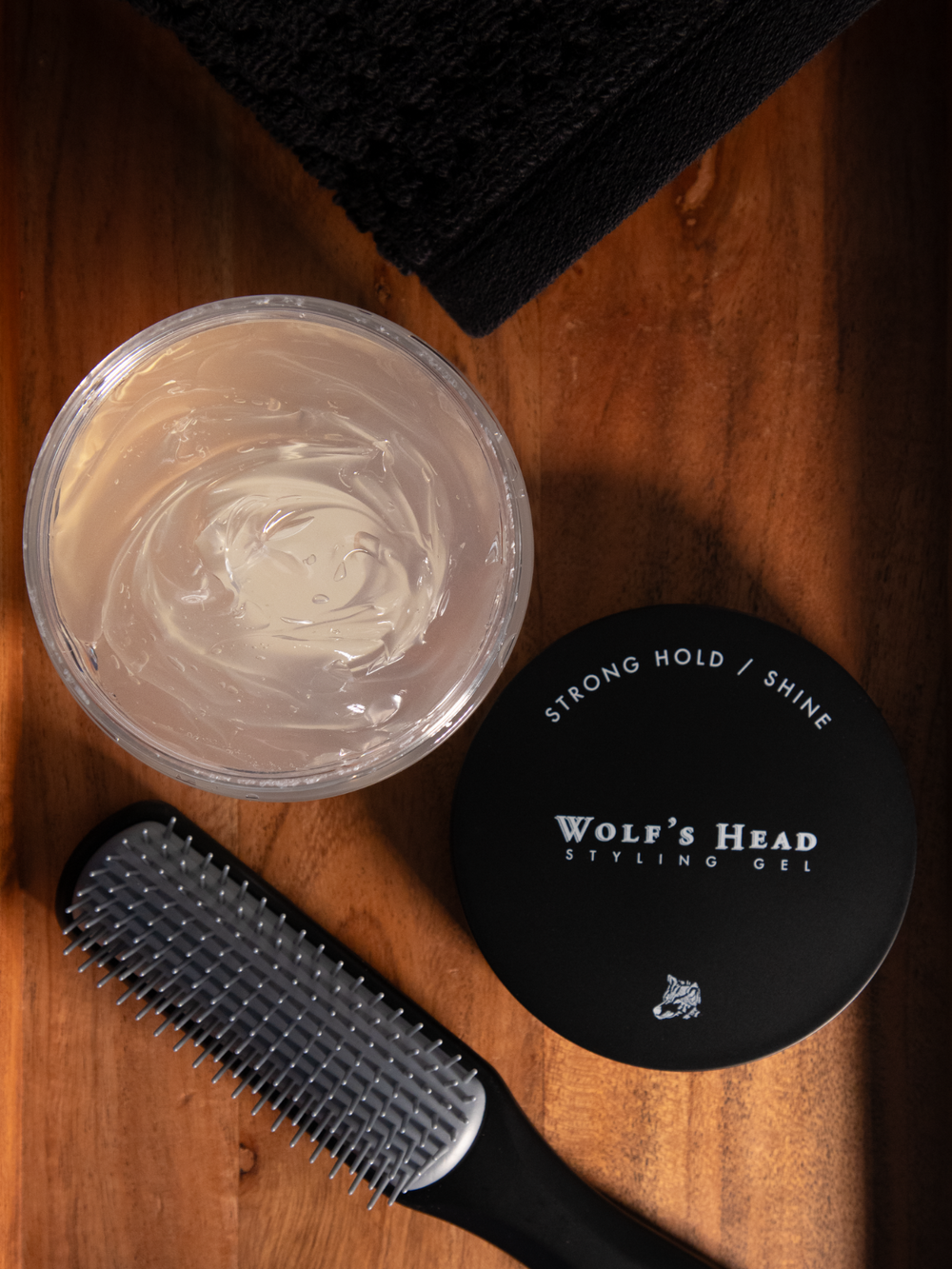
| Styling Gel Pomade | High Shine | Extra-Strong | Sharp side parts, comb backs |
| Cream Pomade | Natural / Soft Matte | Medium | Longer cuts, natural flow, frizz control |
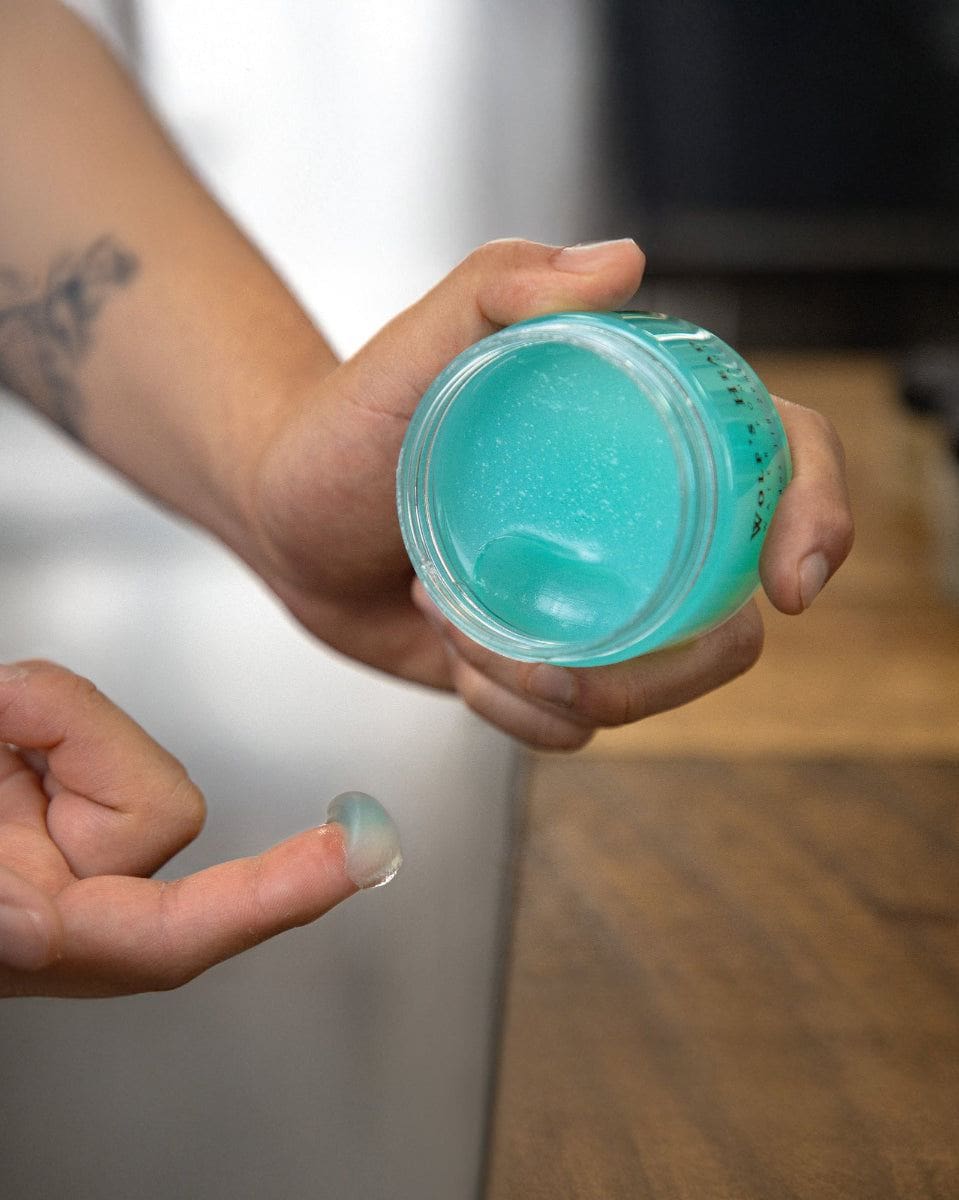
| Water-Soluble Pomade | Shine | Strong | Slick backs, side parts, neat looks |
| Fiber Pomade | Matte / Low Shine | Strong | Short, textured styles with bulk |
| Paste | Natural | Medium | Mid-length cuts, casual control |
| Texture Spray | Natural | Light | Pre-styling lift |
| Styling Powder | Matte | Light–Medium | Instant root lift, fine hair |
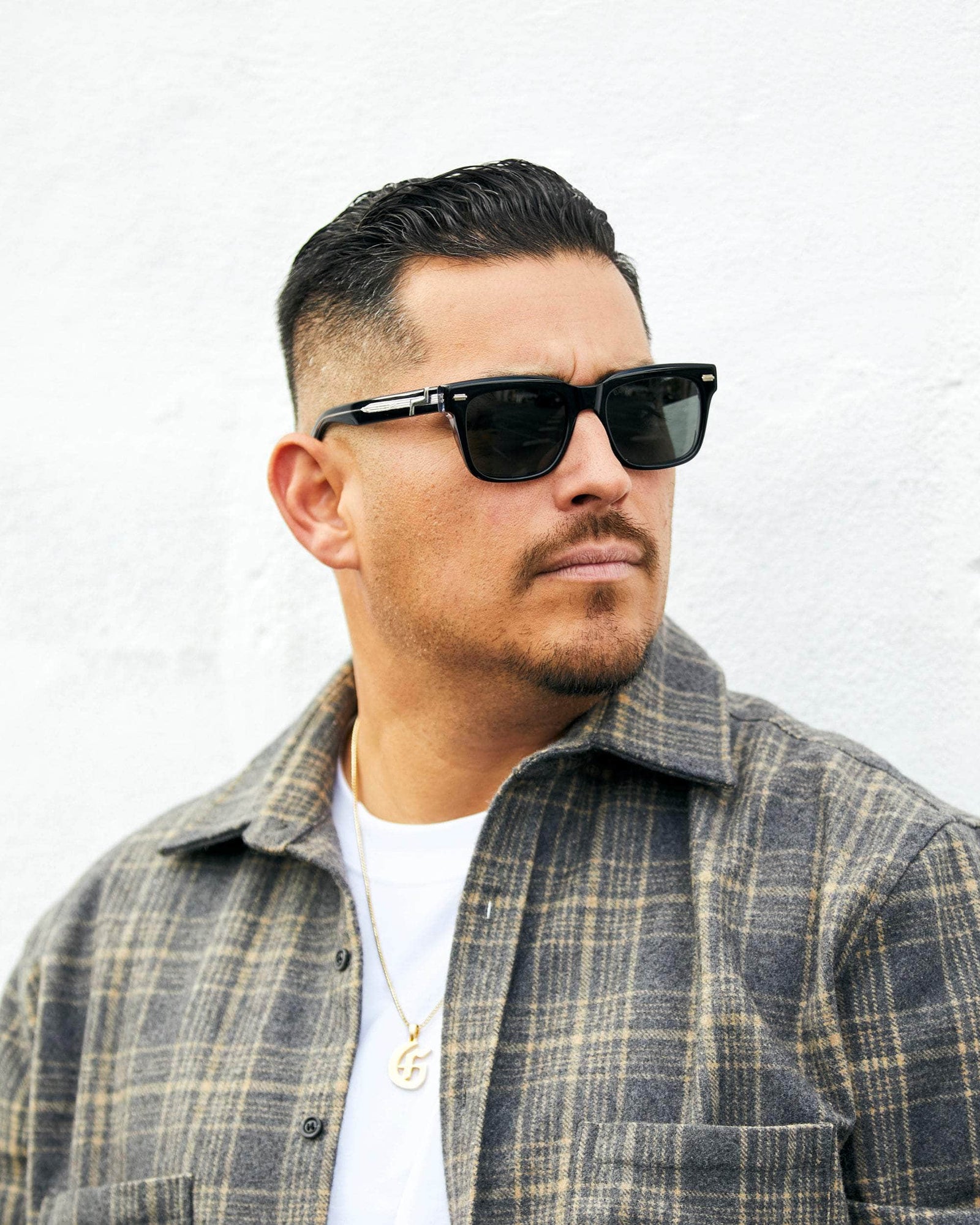
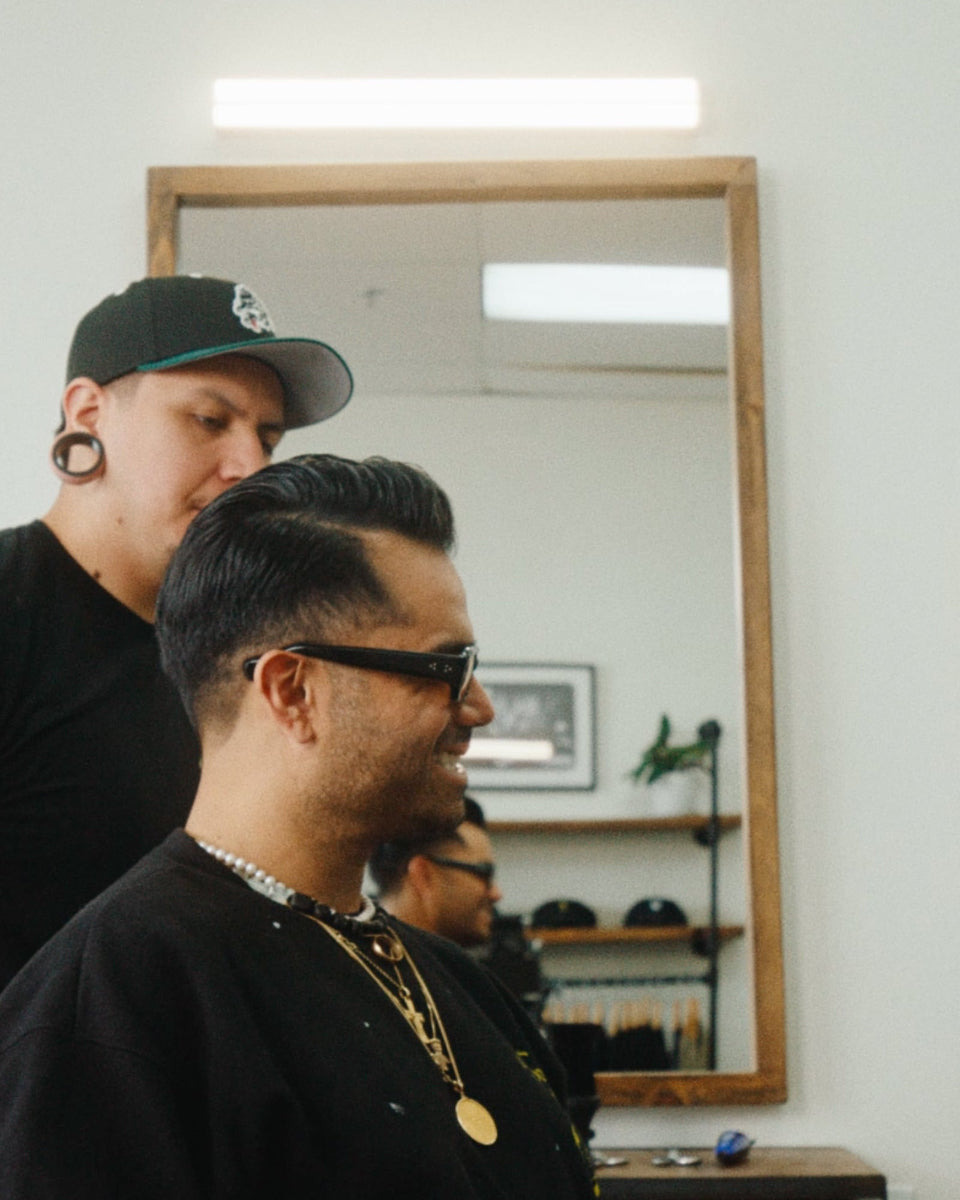

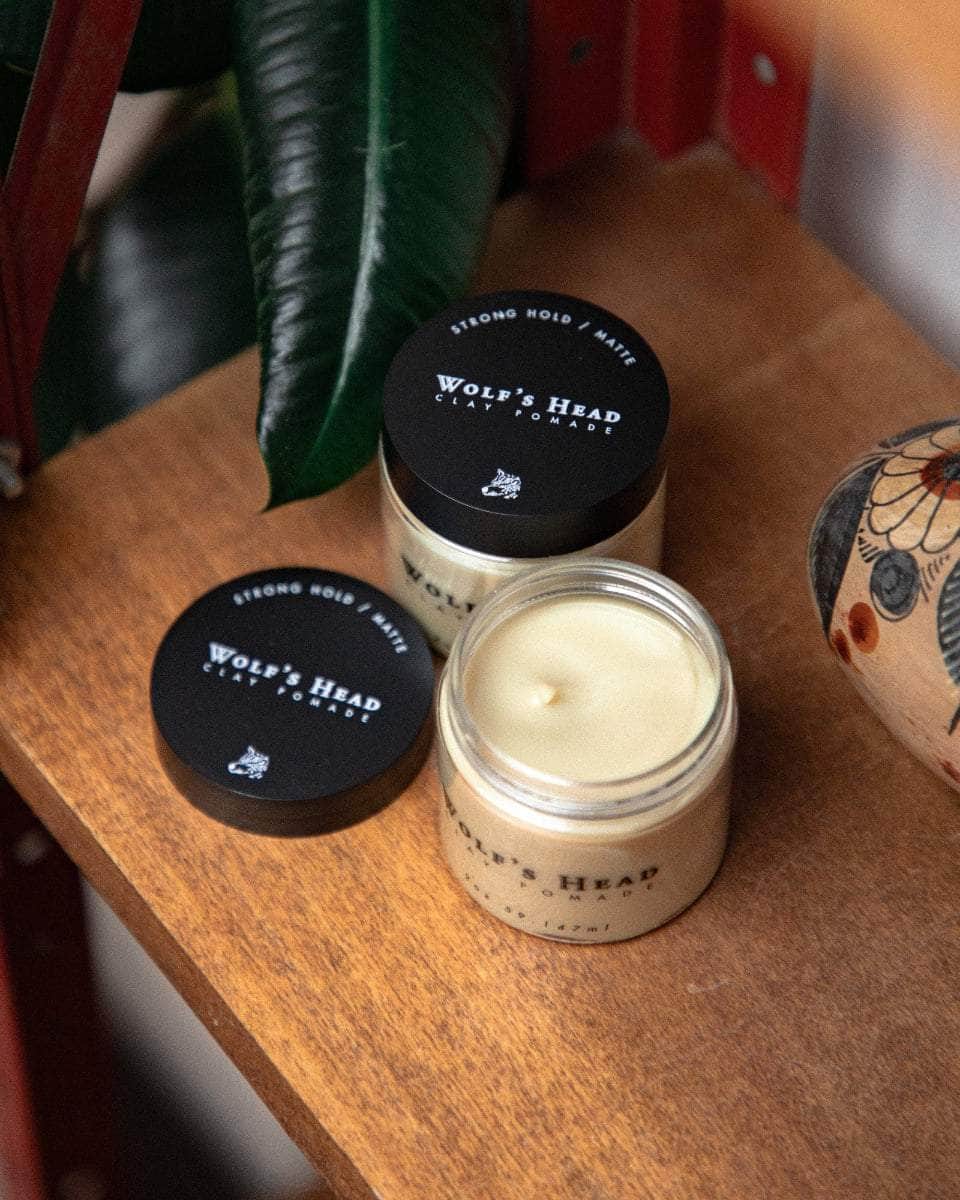
Pomade provides lasting hold, shape control, and a chosen finish (matte, natural, or shine) without stiffness or flakes. Use it to create clean side parts, slick backs, comb overs, or textured matte looks. Start here if you’re new: Shop All Pomades.
Pomade stays flexible and touchable; standard gel hardens and can flake. If you want gel-level hold without flakes or crunch, choose our hybrid water-based Styling Gel Pomade (extra-strong, high shine). Prefer classic shine with strong control? Try Water-Soluble Pomade. For matte texture, go with Clay Pomade.
Only if you choose high-shine when you want matte, or over-apply. For a dry, non-greasy look, use Clay Pomade (strong, matte) or Cream Pomade (medium, soft matte). For polished sheen without heaviness, use Water-Soluble Pomade or Styling Gel Pomade and apply sparingly.
Start with a pea-size amount. Emulsify thoroughly in your palms. Apply to dry hair for stronger, matte hold (great with Clay Pomade) or to towel-dried hair for smoother shine (ideal with Water-Soluble Pomade or Styling Gel Pomade). Comb for structure or finger-style for texture, then add a tiny bit more only where needed.
All Wolf’s Head pomades are water-based and rinse clean with warm water and a light shampoo. No special degreaser needed. End-of-day reset is easy whether you used Cream Pomade, Clay Pomade, Water-Soluble Pomade, or Styling Gel Pomade.
Pomade remains a cornerstone of men’s grooming. Its history, versatility, and adaptability make it a daily essential for barbers and clients alike. Whether you need matte grip, flexible cream control, or high-shine structure, there’s a pomade built for your style. Every Wolf’s Head pomade is water-based, California-made, and barbershop-tested — designed to perform in real-world conditions. Master the basics, avoid common mistakes, and you’ll have reliable, stylish hair every day.

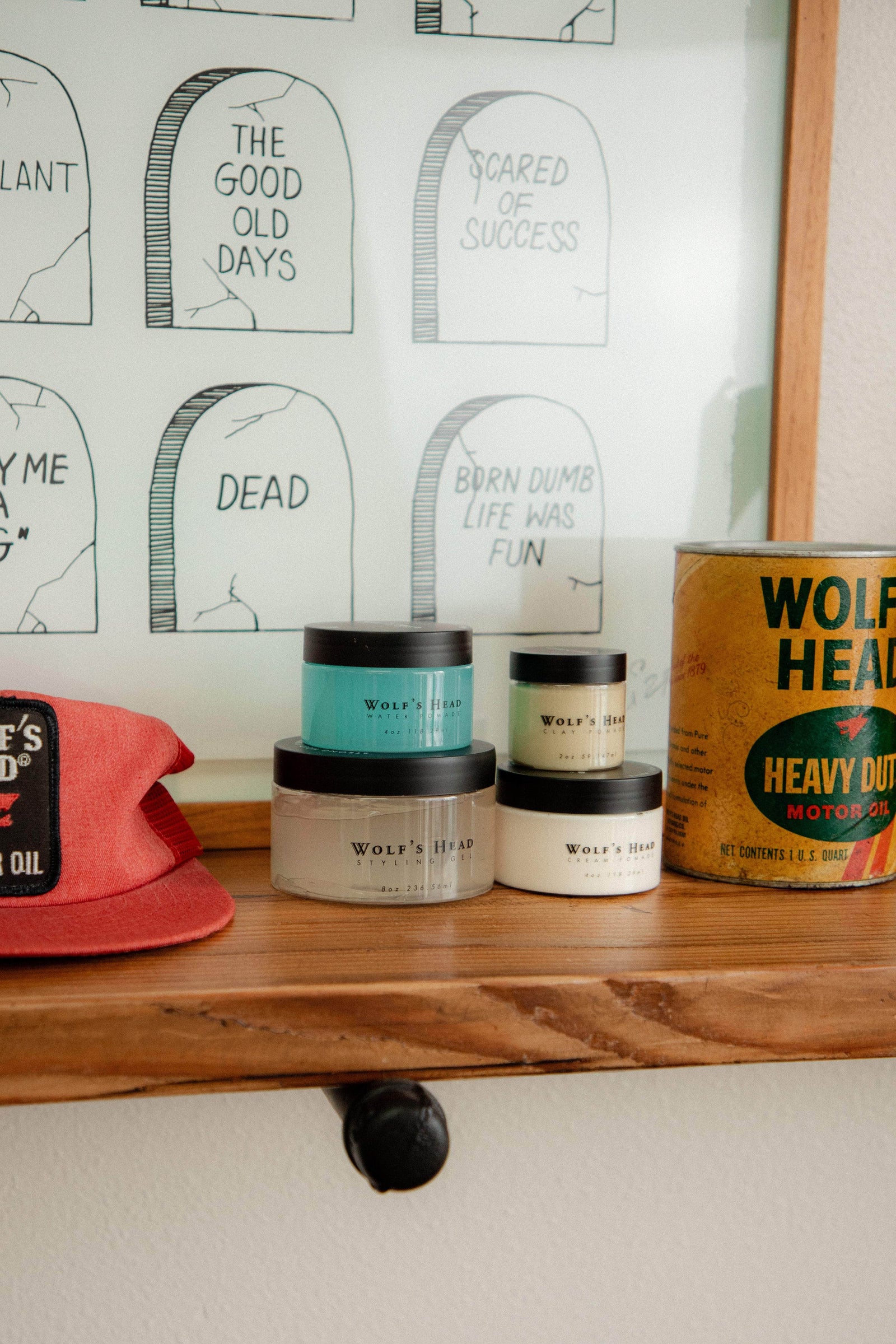
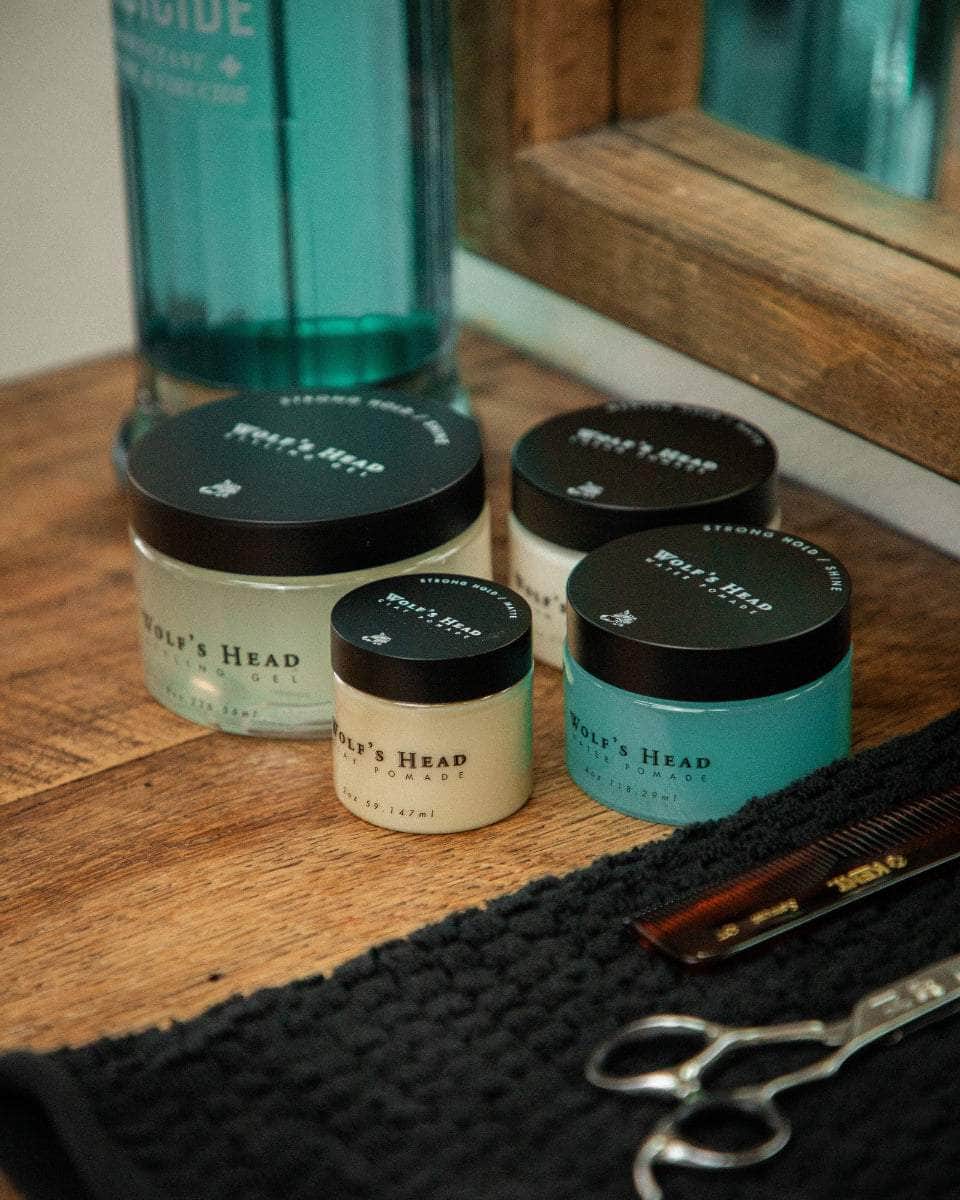
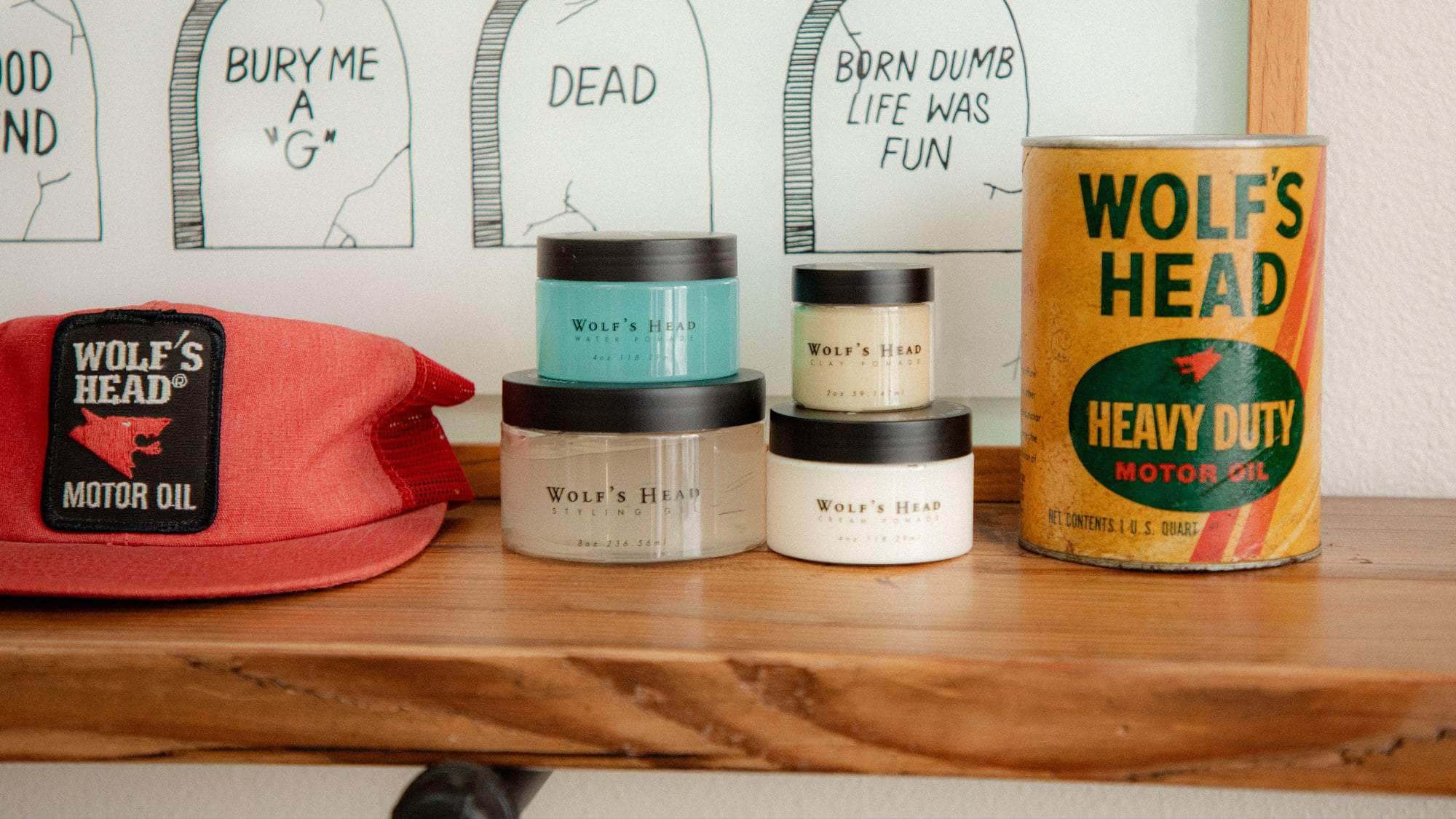
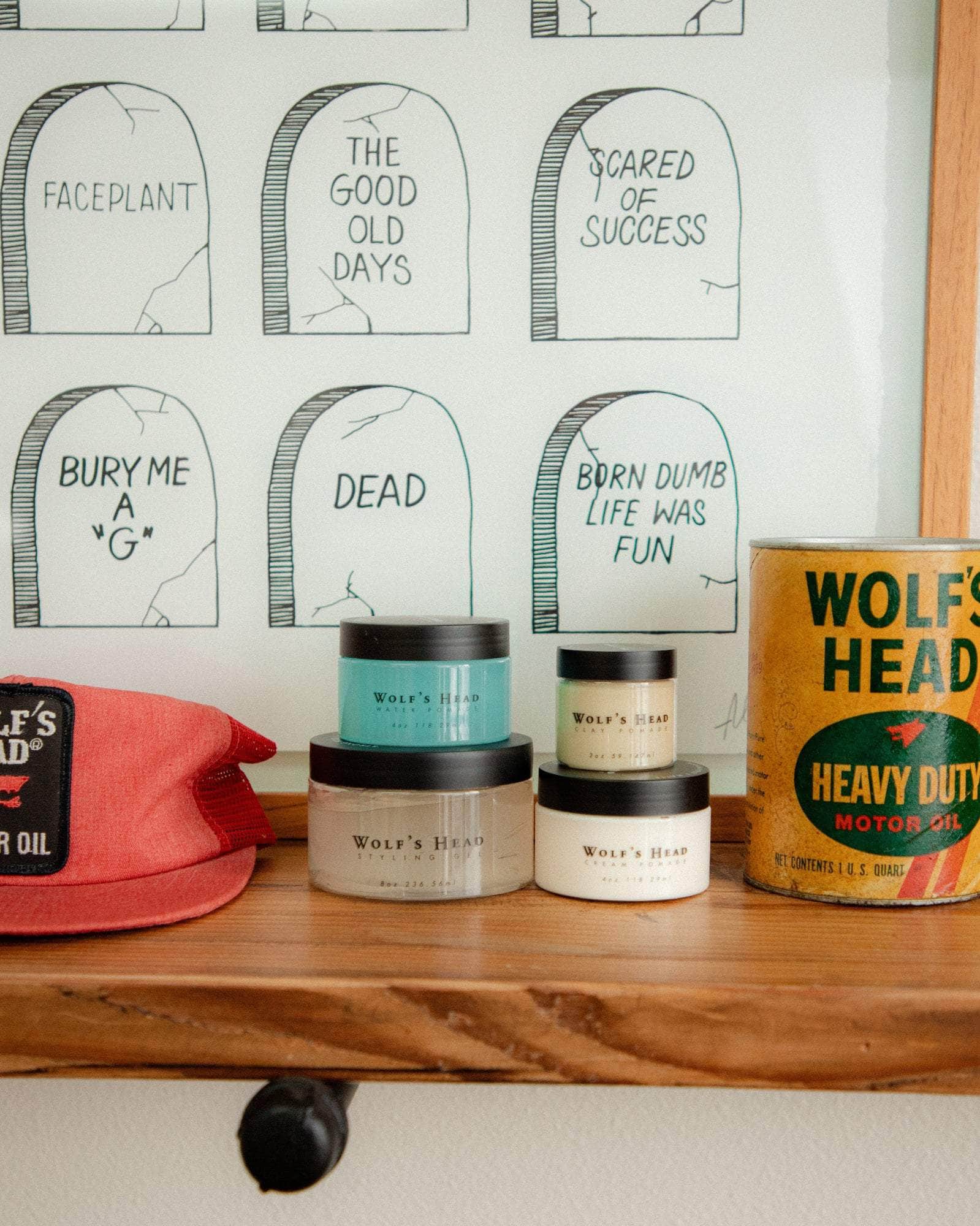
Discover the secret lineup to keep your thick or thinning hair looking good. Wolf's Head Styling Gel Pomade, Clay Pomade, Cream Pomade, Water-Soluble Pomade, and Kent’s Combs.
Visit our Pomade Comparison Guide to see how each formula stacks up.